
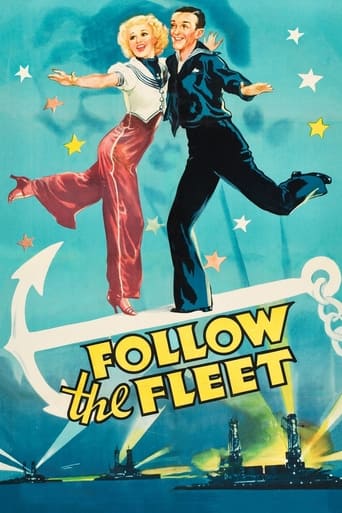
 Follow the Fleet1936110m6.9
DiviCast: 170 films divided by cast, 31 stars from Fred Astaire, Bette Davis and James Stewart to Meryl Streep, Julia Roberts and Steve Martin
Every star has a row of four to six films, each with its cast and a Watch now button.
The cast: 31 stars
Fred Astaire1936–1957 · 6 filmsGinger Rogers1933–1952 · 6 filmsJames Stewart1936–1968 · 6 filmsKatharine Hepburn1935–1981 · 4 filmsBette Davis1938–1950 · 6 filmsGregory Peck1946–1957 · 5 filmsJack Lemmon1954–1998 · 5 filmsJerry Lewis1958–1965 · 6 filmsElvis Presley1957–1967 · 6 filmsKurt Russell1979–2020 · 6 filmsSteve Martin1986–2005 · 6 filmsDiane Keaton1999–2023 · 6 filmsMeryl Streep1999–2016 · 6 filmsSally Field1979–1996 · 6 filmsMichael J. Fox1980–2002 · 5 filmsRichard Dreyfuss1977–2009 · 5 filmsMichael Keaton1983–2019 · 6 filmsKevin Costner1996–2019 · 5 filmsJulia Roberts1997–2017 · 6 filmsHugh Grant1991–2014 · 4 filmsReese Witherspoon2002–2023 · 6 filmsDennis Quaid1979–2021 · 6 filmsJamie Lee Curtis1992–2025 · 6 filmsJohn Cusack1986–2005 · 5 filmsRichard Gere1993–2015 · 5 filmsAmy Adams2005–2022 · 5 filmsAnne Hathaway2004–2022 · 4 filmsWill Ferrell2003–2020 · 5 filmsDwayne Johnson2007–2021 · 5 filmsZac Efron2004–2009 · 6 filmsAnna Kendrick2009–2019 · 6 films
Fred Astaire
All films
Ginger Rogers
All films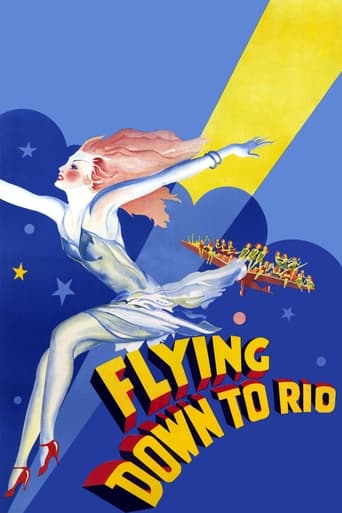

James Stewart
All films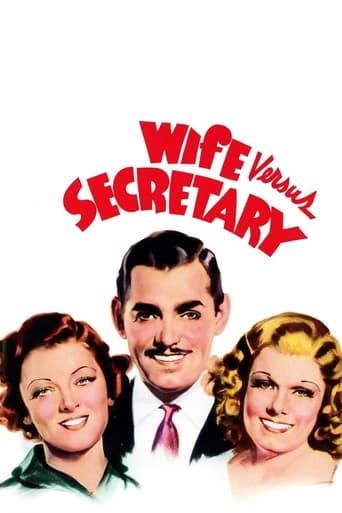


Katharine Hepburn
All films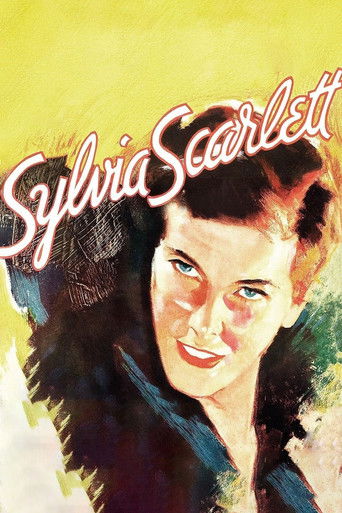

Bette Davis
All films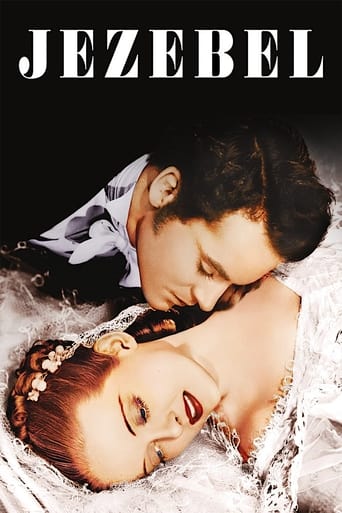


Gregory Peck
All films

Jack Lemmon
All films

Jerry Lewis
All films

Elvis Presley
All films


Kurt Russell
All films


Steve Martin
All films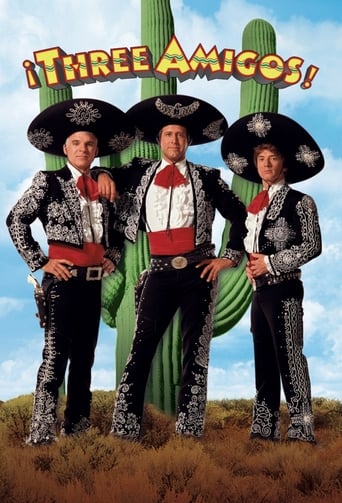



Diane Keaton
All films


Meryl Streep
All films


Sally Field
All films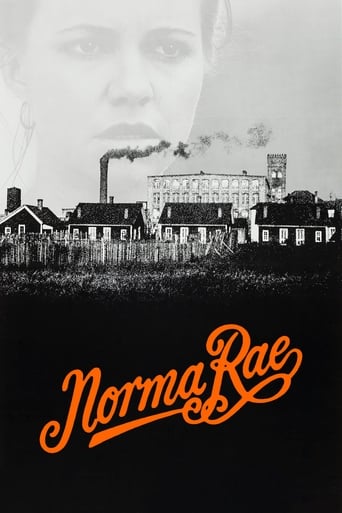

Michael J. Fox
All films


Richard Dreyfuss
All films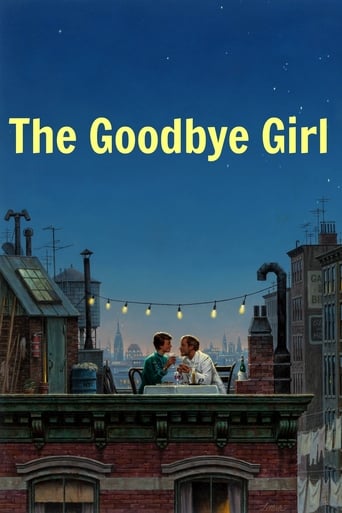


Michael Keaton
All films



Kevin Costner
All films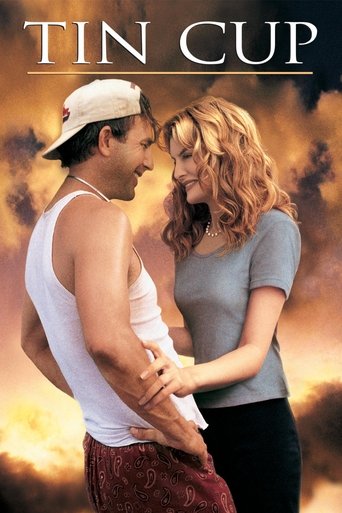



Julia Roberts
All films



Hugh Grant
All films

Reese Witherspoon
All films



Dennis Quaid
All films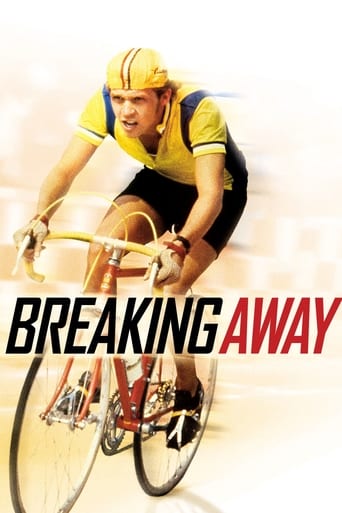




Jamie Lee Curtis
All films


John Cusack
All films


Richard Gere
All films



Amy Adams
All films


Anne Hathaway
All films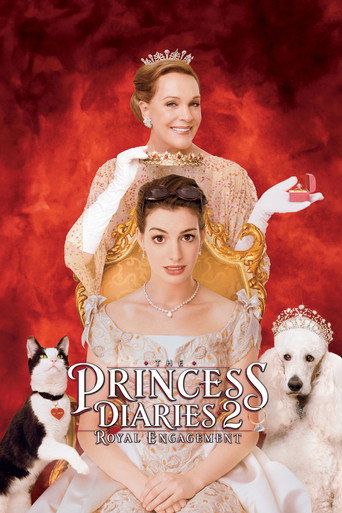


Will Ferrell
All films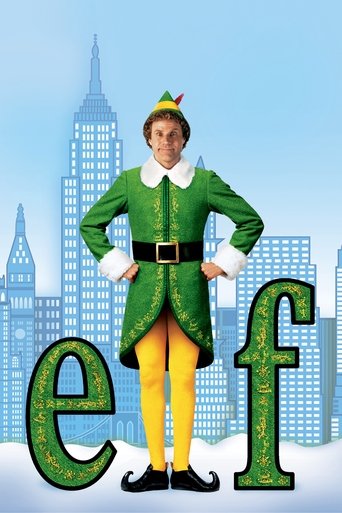



Dwayne Johnson
All films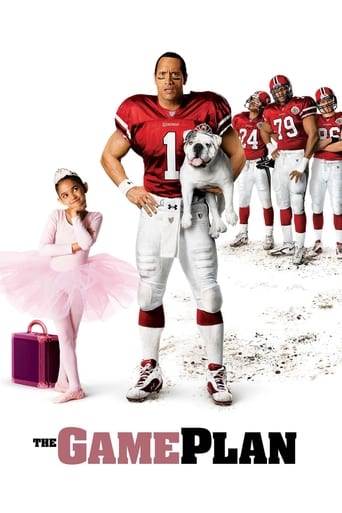



Zac Efron
All films

Anna Kendrick
All films




More lists
Top rated films 38Golden age 471970 to 1999 422000 onwards 81Comedy 121Drama 76Romance 81Family 33Music 22
The DiviCast guide
DiviCast: 170 films divided by cast, 31 stars from Fred Astaire, Bette Davis and James Stewart to Meryl Streep, Julia Roberts and Steve Martin
DiviCast is a guide to films arranged by the people in them. It has thirty-one rows, one for each of thirty-one stars, and every row holds four to six films in which that star takes a leading part. That makes 170 films, made between 1933 and 2025, each with a page that gives the cast, a summary and a Watch now button. Together they run to about 300 hours.
Most people choose a film by its actors more often than they admit. A title means little until someone says who is in it, and a favourite star is the nearest thing cinema offers to a guarantee. Studios understood this from the start and built their business on it; the star system of the 1930s and 1940s was a way of telling audiences in advance what sort of evening they were buying. This guide takes the habit at its word and sorts the whole catalogue by name.
The thirty-one stars span ninety years. Nine belong to the golden age of the studios, from Fred Astaire and Ginger Rogers to Elvis Presley. Eleven made their names between the 1970s and the 1990s, and the rows of eleven more run mostly in the present century. All 170 films were screened by hand for a family audience, so the rows favour comedy, romance, musicals and warm drama, which is to say the films on which most of these reputations rest.
This guide explains the page and the rule, goes through the stars by era, and then looks at where their rows cross. The short version is on How to watch with DiviCast.
How DiviCast works
The page is light grey with white panels, a teal header and touches of amber. The header carries the round two-tone logo, a menu reading Home, The cast, Golden age, 1970 to 1999, 2000 onwards, Top rated and A-Z, a rounded search box and the amber My Cast button.
The home page opens with the name of the guide and a wall of thirty-one tiles under the heading The cast. Each tile shows a star's name, the years the row covers and the number of films. Pressing a tile jumps down the page to that star's panel, a white box with the name beside an amber bar and a row of posters in order of date, oldest on the left, so that a career can be read at a glance. Under every poster are the title, the year, the running time and the score. A button on each panel opens the star's own list page.
A film page gives the title, tags for the year, the running time and the genres, the summary, the Watch now button and the list button. A panel beside them has a selector with fifteen countries; choose one, press the button, and JustWatch lists the subscription, rental, purchase and free services that carry the film there. A table of facts, the full cast and the director complete the page. Finding a film covers the search box and the lists.
How the cast is chosen
The rule has three parts. A star earns a row by having at least four films in the screened catalogue in which he or she is among the first four names of the cast as TMDB records it. Each row then takes that star's most widely rated films, up to six. And a film stands in one row only: where two of the thirty-one appear together, the film goes to the star who comes first in the order of the wall, which runs roughly by era.
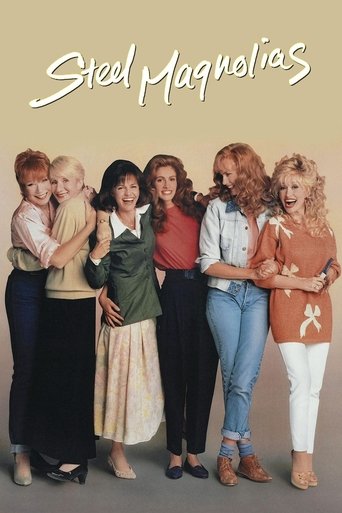
The third part matters more than it might seem, because stars are often cast together. Steel Magnolias has both Sally Field and Julia Roberts and stands in Field's row. Father of the Bride has Steve Martin and Diane Keaton and stands in Martin's. The search box ignores the rows altogether and returns every film in the guide in which a name appears, so a search for a star may show more titles than the row does.
First-four billing is a generous test, and it lets in some films in which the star's part is a supporting one or a voice. Julia Roberts speaks for the spider in Charlotte's Web, Sally Field for the cat in Homeward Bound: The Incredible Journey, and Kevin Costner for the dog who narrates The Art of Racing in the Rain. These are noted as they come up. The guide is an independent reference and is unconnected with the actors it names. How the cast is chosen states the rule in brief.
Fred Astaire and Ginger Rogers
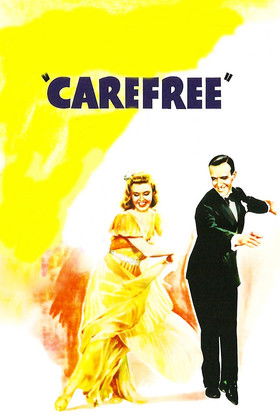
The wall begins with the most famous partnership in film musicals, and gives each of the two a row. Four of the twelve films are ones they made together at RKO in the 1930s. Flying Down to Rio, from 1933, is the oldest film in the guide; they were fourth and fifth in the cast, danced one number, and walked off with the picture. Follow the Fleet put Astaire in a sailor suit to songs by Irving Berlin, Shall We Dance set a ballet dancer and a tap dancer to a score by the Gershwins, and Carefree cast him as a psychiatrist and her as his patient.
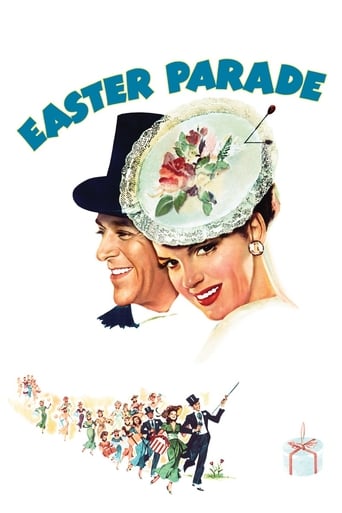
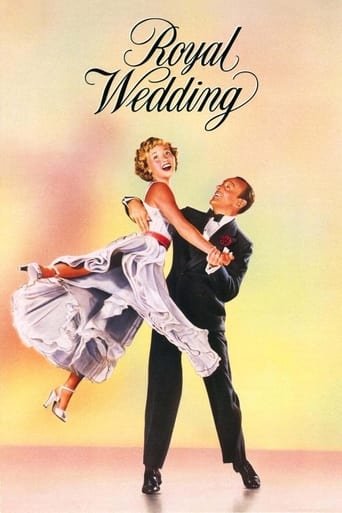
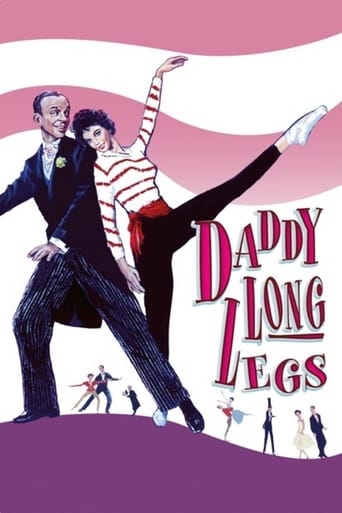
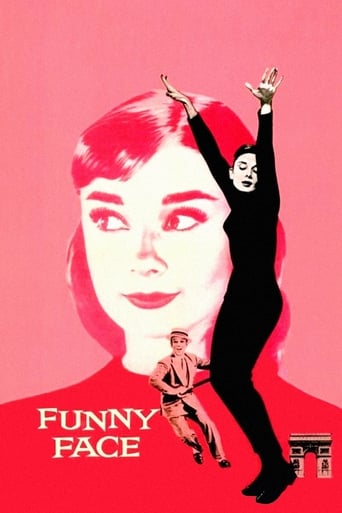
Astaire's row continues after the partnership ended. Easter Parade, from 1948, brought him out of a brief retirement to dance with Judy Garland. In Royal Wedding he dances up the walls and across the ceiling of a hotel room, a sequence achieved by turning the whole set like a wheel. Daddy Long Legs pairs him with Leslie Caron, and Funny Face takes him to Paris as a fashion photographer with Audrey Hepburn as the bookshop assistant he turns into a model.
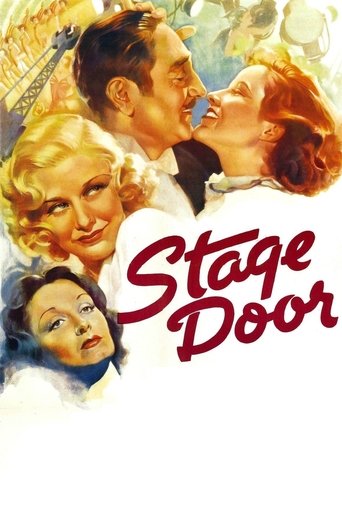
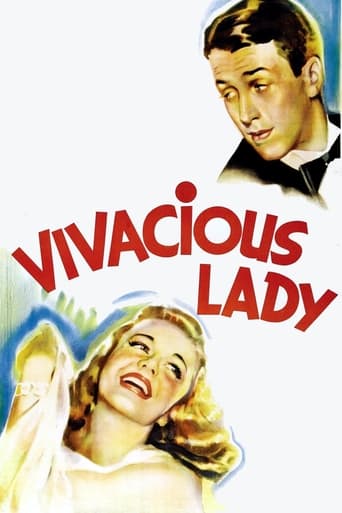
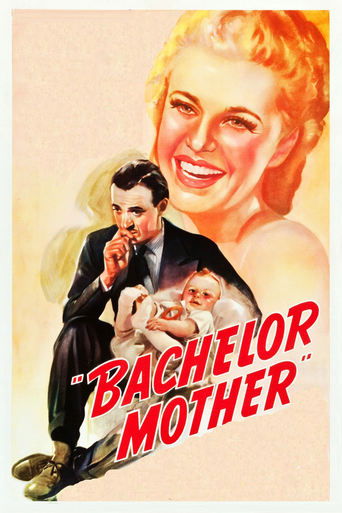
Rogers's row shows how much more she was than a dancing partner. Stage Door sets her in a boarding house for young actresses, trading insults with Katharine Hepburn. Vivacious Lady marries her, as a nightclub singer, to James Stewart's shy professor. In Bachelor Mother she is a shop girl who finds a baby on a doorstep and fails to convince anyone that it belongs to somebody else, and in Monkey Business, years later, she and Cary Grant drink a youth potion mixed by a chimpanzee. The Astaire and Rogers guide sorts the twelve.
James Stewart, Katharine Hepburn, Bette Davis and Gregory Peck
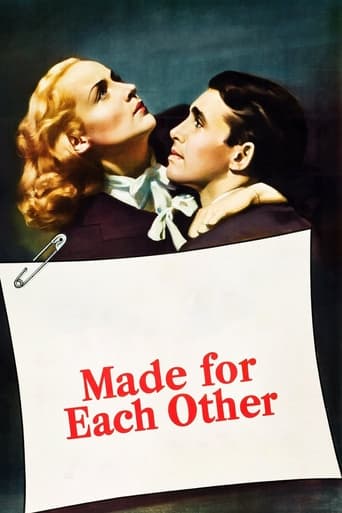
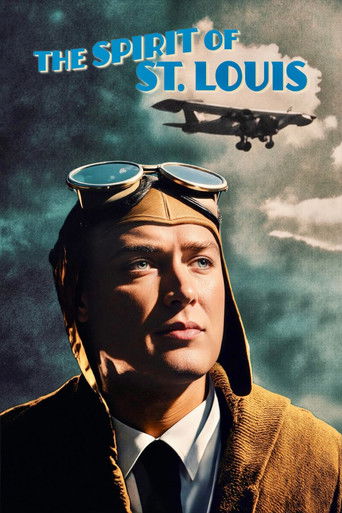
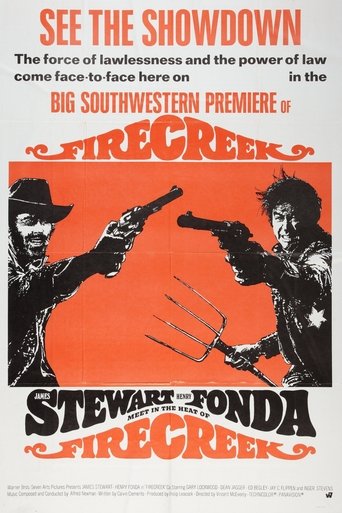
Four rows hold the dramatic stars of the studio years. James Stewart's begins with Wife vs. Secretary in 1936, in a small part, and reaches its height with The Shop Around the Corner, Ernst Lubitsch's comedy of two shop assistants in Budapest who quarrel at work and court each other by anonymous letter. It scores 8.1, the equal highest in the guide. Made for Each Other pairs him with Carole Lombard, The Glenn Miller Story lets him play the bandleader, and The Spirit of St. Louis puts him alone in the cockpit as Charles Lindbergh. Firecreek, from 1968, is a western with Henry Fonda.
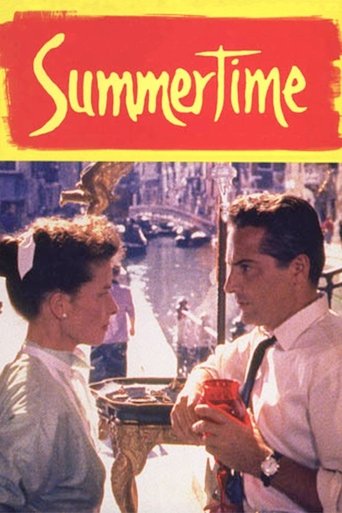
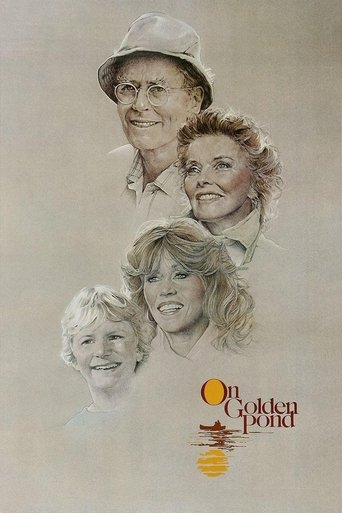
Katharine Hepburn's row is the longest in years, from 1935 to 1981. Sylvia Scarlett has her disguised as a boy beside Cary Grant. Summertime sends her to Venice as a secretary from Ohio on the holiday of her life, in colour photography that has sold a great many tickets to Italy. Desk Set is one of her nine films with Spencer Tracy: she runs the research library of a television network, and he arrives with a computer the size of a room. On Golden Pond, with Henry Fonda, won her a fourth Academy Award.
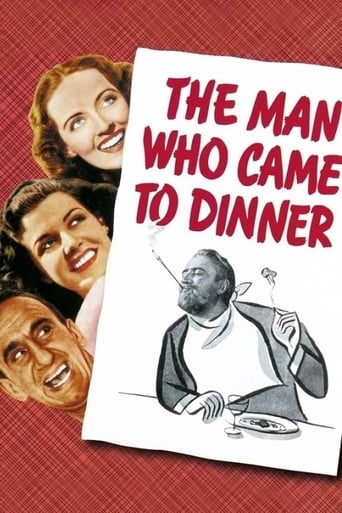
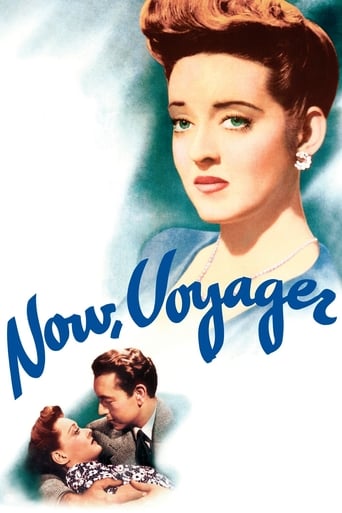
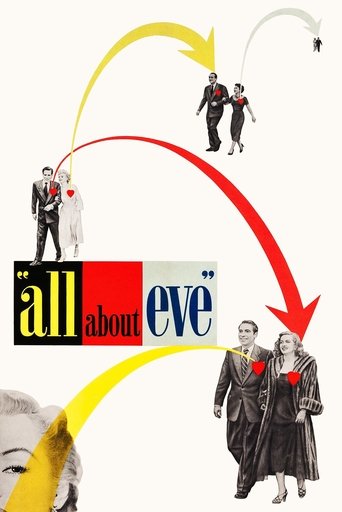
Bette Davis has six films from her greatest years at Warner Bros. Jezebel won her an Academy Award as a wilful belle of New Orleans. The Private Lives of Elizabeth and Essex made her a queen, The Man Who Came to Dinner showed her light touch, and Now, Voyager gave her the part of a repressed Boston spinster who finds herself on a cruise, and the screen one of its most quoted closing lines. In A Stolen Life she plays twins. All About Eve, from 1950, is the summit: Margo Channing, a great actress of the stage, and the adoring newcomer who intends to replace her.
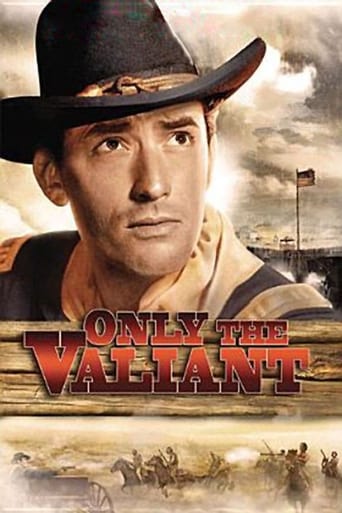
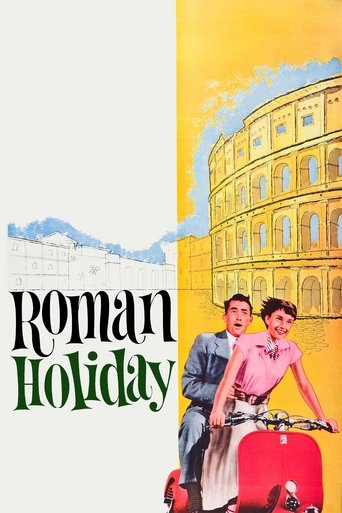
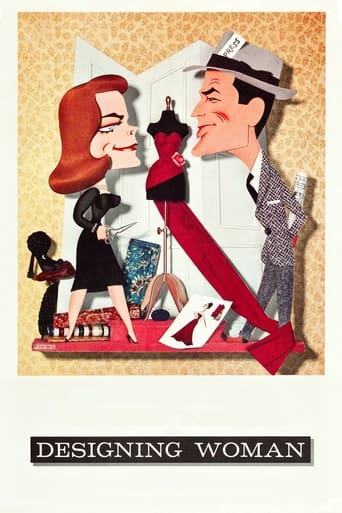
Gregory Peck's row is led by Roman Holiday, in which he is the American reporter who spends a day in Rome with a runaway princess. The Yearling has him as a Florida backwoods farmer whose son adopts a fawn. The Million Pound Note gives a penniless American in London a banknote too large to spend, Designing Woman marries a sportswriter to a fashion designer, and Only the Valiant is a cavalry western. The golden age guide sorts all forty-seven films from before 1970.
Jack Lemmon, Jerry Lewis and Elvis Presley
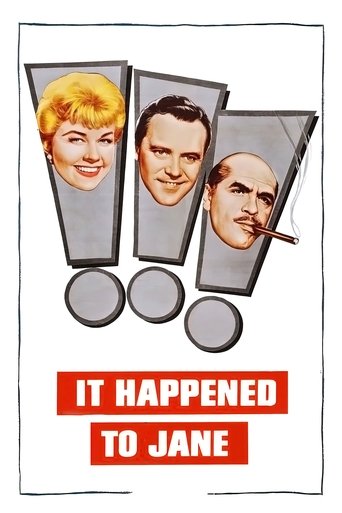
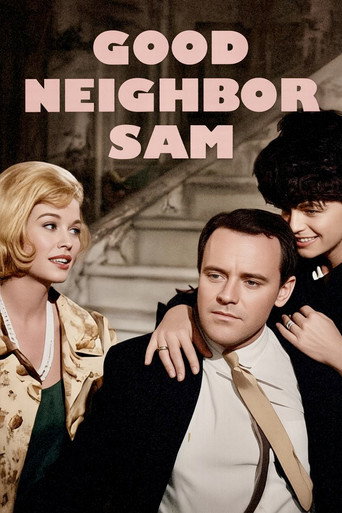
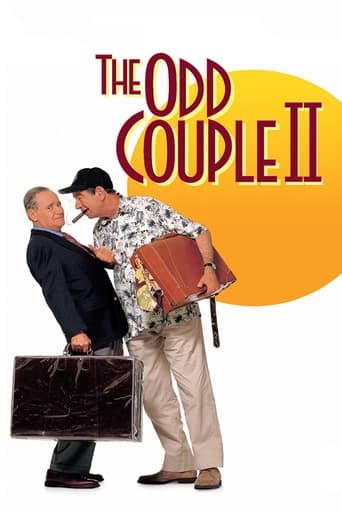
Three rows carry the guide from the studio era into the 1960s. Jack Lemmon's opens with Phffft, from 1954, a comedy of divorce with Judy Holliday made in his first year in films, and It Happened to Jane, with Doris Day as a lobster dealer from Maine at war with a railway. Good Neighbor Sam is a farce of suburban pretence. The row then leaps thirty years to his last pairings with Walter Matthau, My Fellow Americans, in which he is a former president on the run with a rival played by James Garner, and The Odd Couple II, which reunited Felix and Oscar three decades after the original.
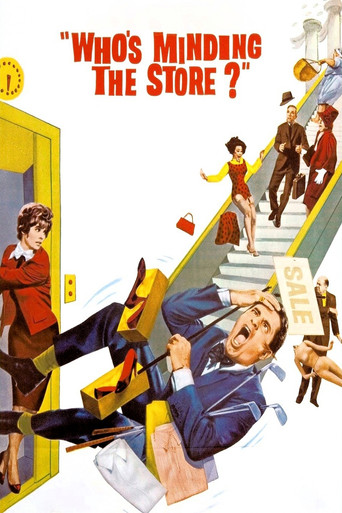
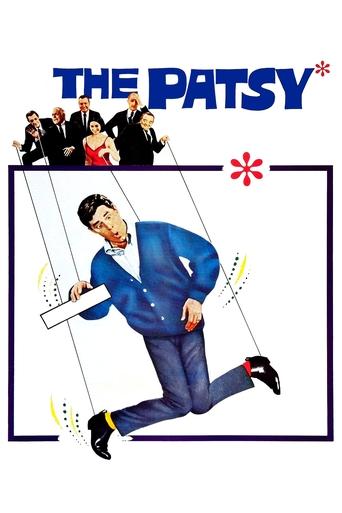
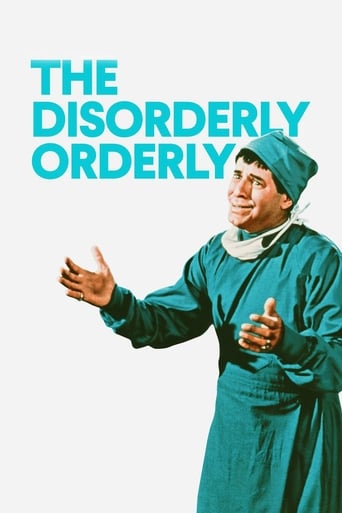
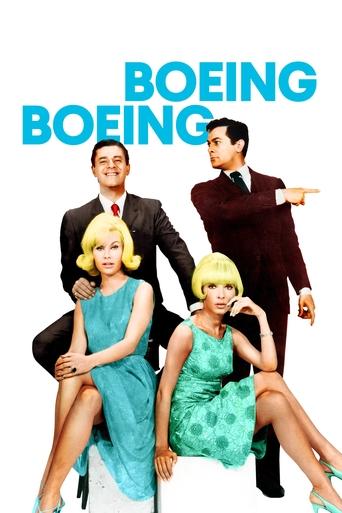
Jerry Lewis has six films from his years as his own director and Paramount's most reliable earner. The Bellboy, which he wrote, directed and shot in a Miami hotel in four weeks, dispenses with plot and offers a string of visual jokes with a bellhop who hardly speaks; at seventy-two minutes it is the shortest film in the guide. Rock-a-Bye Baby leaves him in charge of triplets, Who's Minding the Store? lets him loose in a department store, and The Disorderly Orderly in a hospital. The Patsy is a satire on the making of a star, and Boeing, Boeing casts him against type as the calmer half of a farce with Tony Curtis.
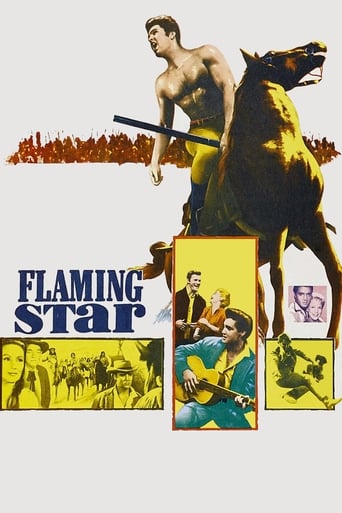
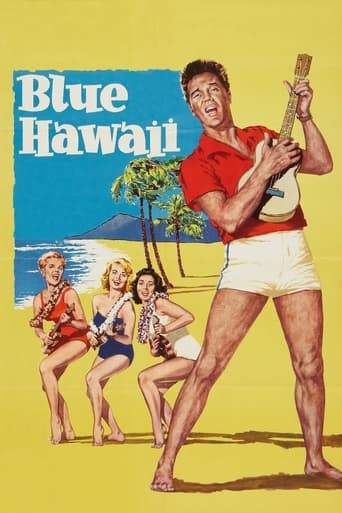
Elvis Presley made thirty-one feature films, and six are here. Loving You, his second, tells something close to his own story, a delivery driver who becomes a singing sensation. Flaming Star is a serious western with very few songs, directed by Don Siegel, and shows the actor he might have become. Blue Hawaii set the pattern for what followed, sun, songs and a best-selling soundtrack; Follow That Dream, Fun in Acapulco and Clambake are variations on it, the first of them a comedy with real charm.
Kurt Russell, Steve Martin and Diane Keaton
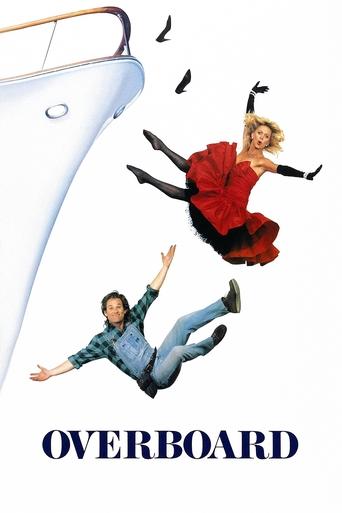
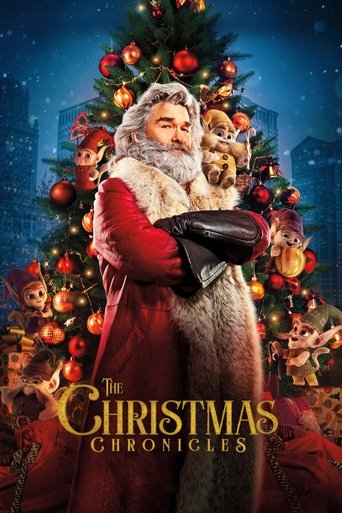
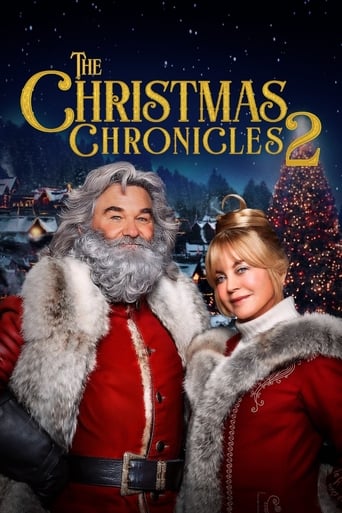
Kurt Russell has been in films since childhood, and his row covers forty-one years. It begins with Elvis, the 1979 television film in which he plays Presley, a nice echo of the row before. Overboard pairs him with Goldie Hawn as a carpenter who convinces an heiress with amnesia that she is his wife. Captain Ron makes him the unreliable skipper of a family's inherited yacht. In Miracle he is Herb Brooks, the coach who took a team of American college players to victory over the Soviet Union at the 1980 Winter Olympics, and in The Christmas Chronicles and its sequel he is Santa Claus with a taste for rhythm and blues.
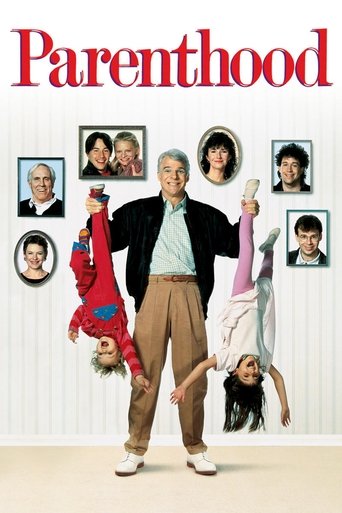
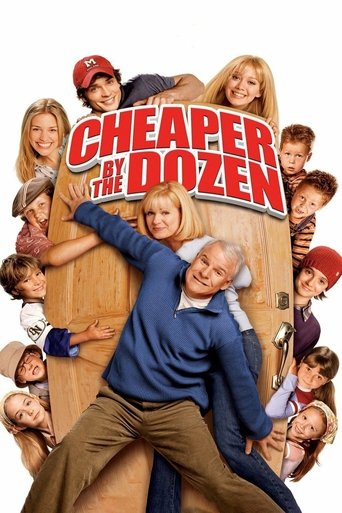
Steve Martin's six films are all comedies of family life or of Los Angeles. ¡Three Amigos! sends three silent-film cowboys to defend a Mexican village. Parenthood follows four grown siblings and their children through a year. L.A. Story, which he wrote, is a love letter to his city in which a motorway sign gives a weatherman advice. Father of the Bride made him America's favourite anxious father, and the two Cheaper by the Dozen films, the second being Cheaper by the Dozen 2, gave him twelve children.
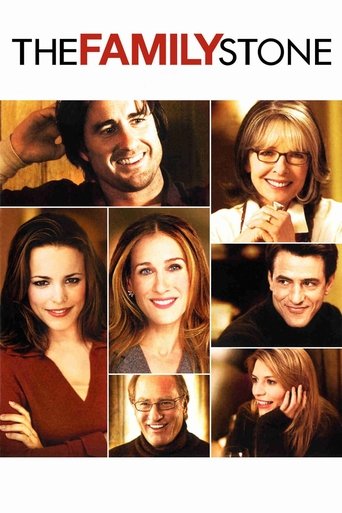
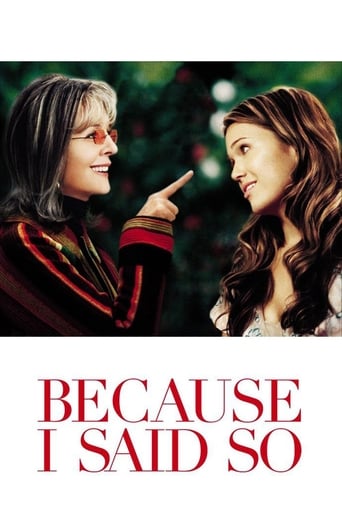
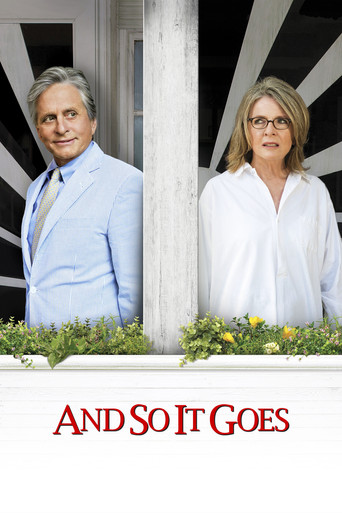
Diane Keaton's row is drawn from the second half of her career, when she became the leading lady of the comedy of later life. The Other Sister has her as an over-protective mother. In The Family Stone she is the head of a New England household that closes ranks against a son's fiancée at Christmas. Because I Said So, And So It Goes, with Michael Douglas, and 5 Flights Up, with Morgan Freeman as her husband of forty years in a Brooklyn walk-up, follow, and Book Club: The Next Chapter takes four old friends to Italy. The comedians guide picks out the funniest rows.
Meryl Streep and Sally Field
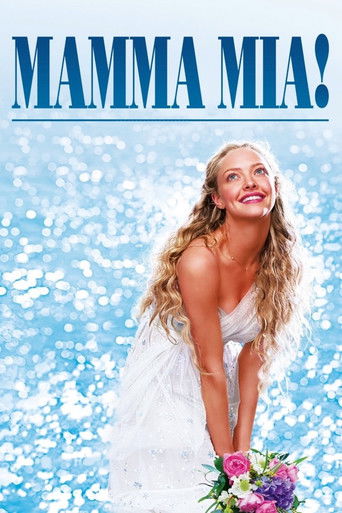
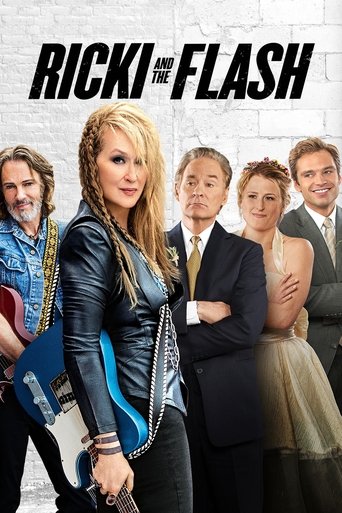
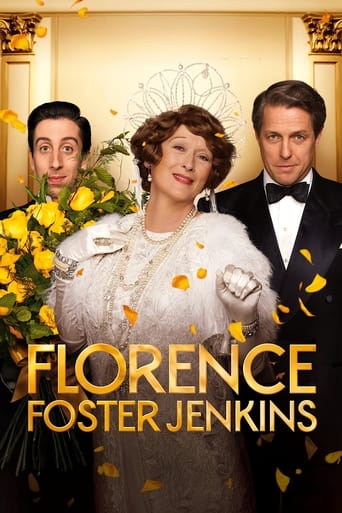
Meryl Streep's row shows the lighter side of the most honoured actress of her time, and four of its six films are about music. In Music of the Heart she is a real violin teacher who built a programme in the schools of East Harlem. A Prairie Home Companion, Robert Altman's last film, puts her in a singing sister act on the final night of a radio show. Mamma Mia! has her dancing on a Greek jetty to the songs of ABBA, and Ricki and the Flash fronting a bar band. In Julie & Julia she is the cookery writer Julia Child, discovering French food in Paris in 1949, and in Florence Foster Jenkins the New York heiress who sang with more joy than accuracy.
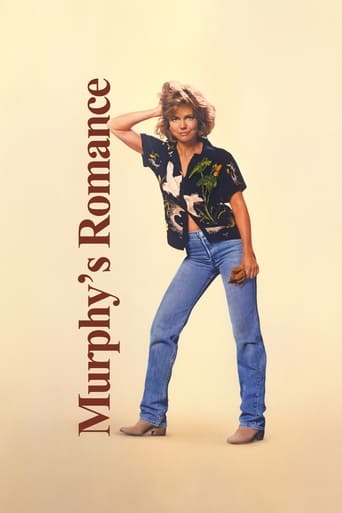
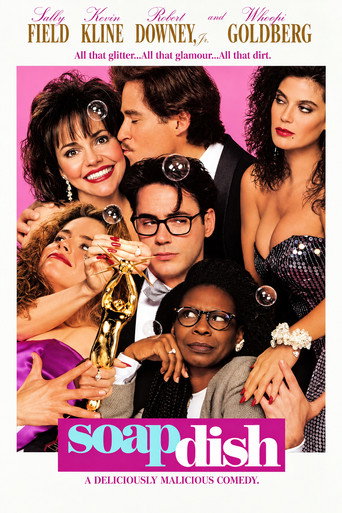
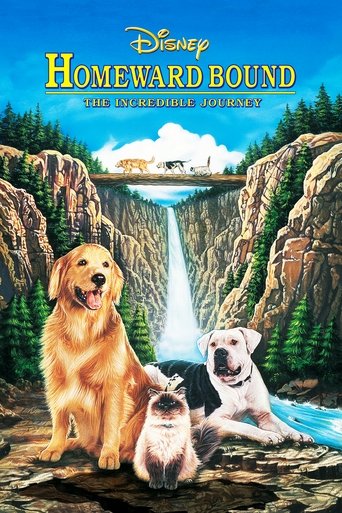
Sally Field's row runs from her Academy Award to her years as the screen's favourite mother. Norma Rae, from 1979, is the textile worker who stands on a table in her mill holding a sign that reads Union. Murphy's Romance gives her a ranch in Arizona and James Garner for a neighbour. Steel Magnolias is set in a Louisiana beauty parlour, and Soapdish is a backstage farce about the cast of a daytime serial. In the two Homeward Bound films, Homeward Bound: The Incredible Journey and Homeward Bound II: Lost in San Francisco, she is heard as Sassy, a Himalayan cat with a low opinion of dogs.
Michael J. Fox, Richard Dreyfuss, Michael Keaton and Kevin Costner
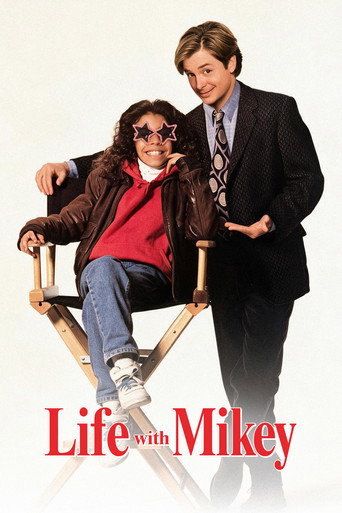
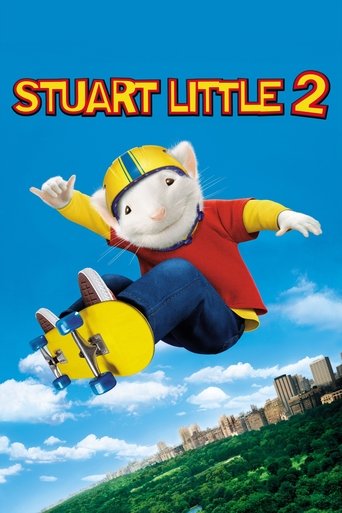
Michael J. Fox's row begins with his first film, Midnight Madness, and takes in the two comedies that followed his breakthrough. The Secret of My Success has him as a post-room boy from Kansas who invents an executive and plays both. Doc Hollywood strands a young surgeon bound for Beverly Hills in a small town in South Carolina. In Life with Mikey he is a former child star turned agent, and in Stuart Little 2 the voice of the mouse.
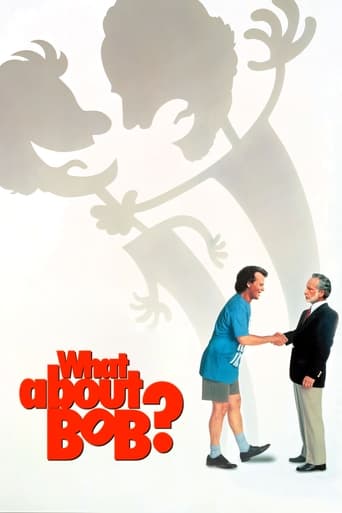
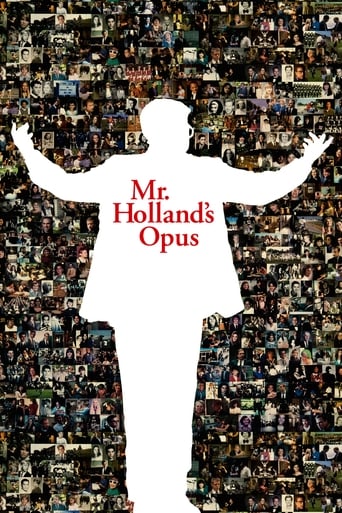
Richard Dreyfuss won an Academy Award for The Goodbye Girl, as an actor obliged to share a flat with a dancer and her daughter. What About Bob? sets him, as a psychiatrist on holiday, against a patient who will follow him anywhere, played by Bill Murray. Lost in Yonkers comes from Neil Simon again. Mr. Holland's Opus follows a composer who takes a teaching job for a few years and stays for thirty, and My Life in Ruins finds him on a coach tour of Greece.
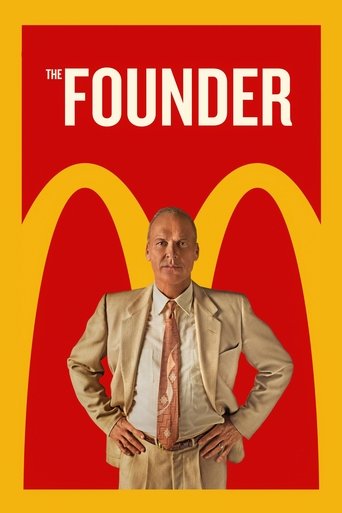
Michael Keaton's six begin with Mr. Mom, in which a laid-off engineer learns to run a household. Multiplicity copies him three times over. First Daughter makes him President of the United States with a daughter at university, and Post Grad a father once more. The Founder is his best later part: Ray Kroc, the milkshake-machine salesman who saw what the McDonald brothers had built and took it from them. In Dumbo he is the showman who buys the circus.
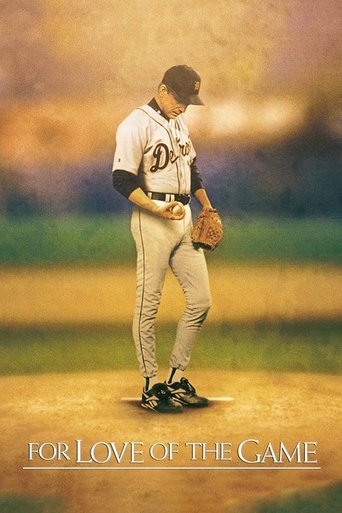
Kevin Costner's row is the sportsman's. Tin Cup is a comedy about a golf professional at a Texas driving range with a gift he keeps wasting, and For Love of the Game takes place inside one baseball game. In Draft Day he is the general manager of an American football team on the most important day of his year, and in McFarland, USA the coach who builds a cross-country team from the sons of farm workers. He is also the voice of Enzo in The Art of Racing in the Rain, which shares the highest score in the guide. The sport page gathers these with the sporting films of other rows, and the leading men guide sorts ten rows.
Julia Roberts, Hugh Grant and Reese Witherspoon
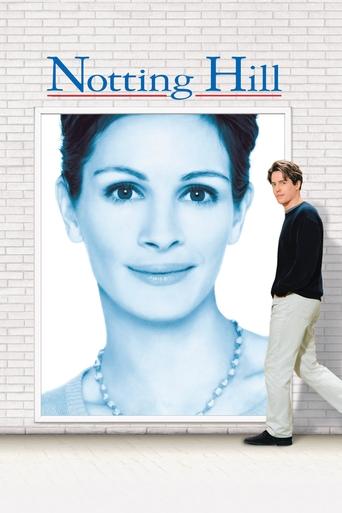
Julia Roberts's row is the story of the romantic comedy at its commercial height. In My Best Friend's Wedding she has four days to stop her oldest friend from marrying someone else, and the film is bold enough to let her behave badly. Notting Hill reverses the usual arrangement: she is the most famous woman in the world, and Hugh Grant the owner of a struggling travel bookshop. Runaway Bride reunites her with Richard Gere. Eat Pray Love sends her round the world after a divorce, and in Wonder, which shares the top score in the guide at 8.1, she is the mother of a boy starting school with a facial difference. She is the voice of Charlotte in Charlotte's Web.
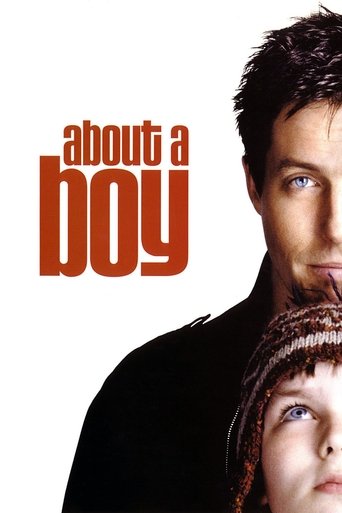
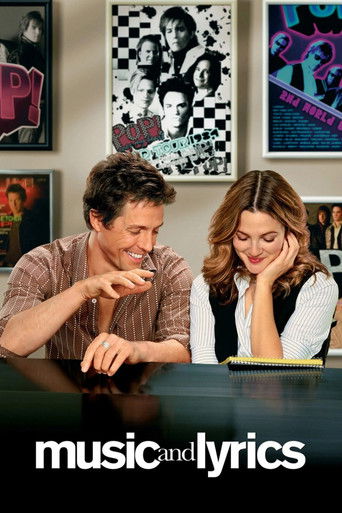
Hugh Grant appears in Notting Hill too, though that film stands in Roberts's row. His own four begin with Impromptu, in which he plays the composer Chopin, pursued across the French countryside by the novelist George Sand. About a Boy is his best work: an idle bachelor in north London who is adopted, much against his will, by a twelve-year-old with an unhappy mother. Music and Lyrics makes him a pop star of the 1980s in need of a lyricist, and The Rewrite a screenwriter teaching at a small college.
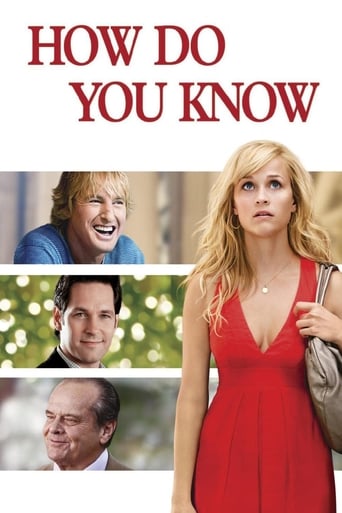
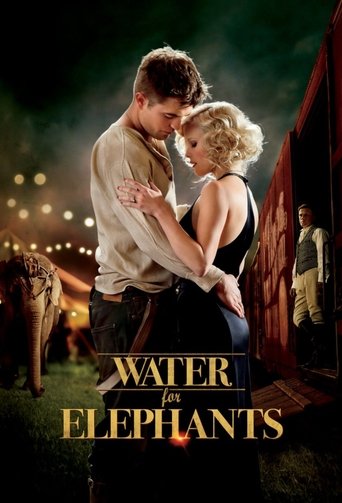
Reese Witherspoon's six run from Sweet Home Alabama, in which a New York designer must go home to the husband whose divorce papers are still unsigned, to Your Place or Mine, a comedy of two old friends who swap houses for a week. Four Christmases obliges a couple to visit all four of their divorced parents in one day. Water for Elephants is a circus romance of the 1930s, How Do You Know a triangle with a baseball player and a businessman, and Home Again gives a newly single mother three young film-makers as lodgers.
Dennis Quaid, Jamie Lee Curtis, John Cusack and Richard Gere
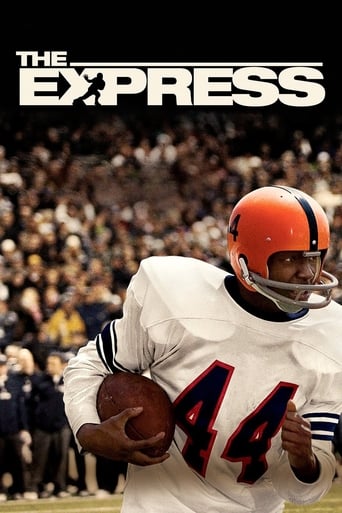
Four rows belong to actors who have worked steadily for forty years. Dennis Quaid's starts with Breaking Away, in which he is one of four friends in an Indiana college town, and Innerspace, where he is shrunk to the size of a cell. In Good Company makes him a salesman of fifty-one with a boss half his age. He plays coaches and mentors in The Express, the story of the first Black winner of American football's highest college award, and in Blue Miracle, about an orphanage that enters a fishing tournament. In the 2011 Footloose he is the town's preacher.
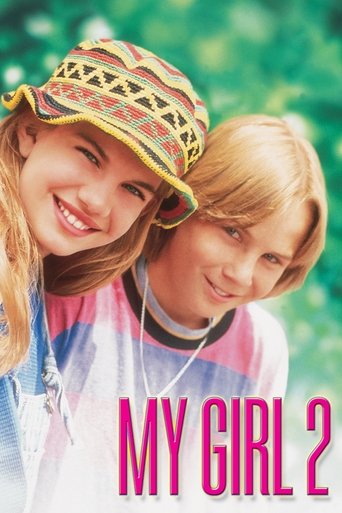
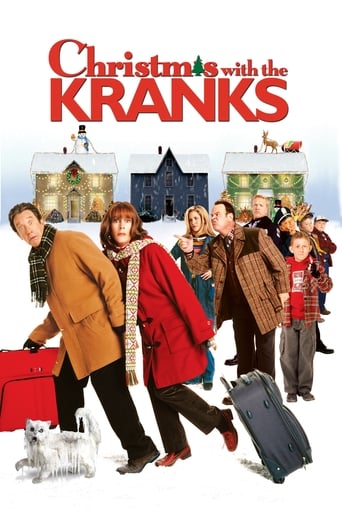
Jamie Lee Curtis has six comedies and family films. Forever Young and My Girl 2 come from the early 1990s. Christmas with the Kranks is about a couple who decide to skip the holiday and discover how firmly their neighbours disagree.
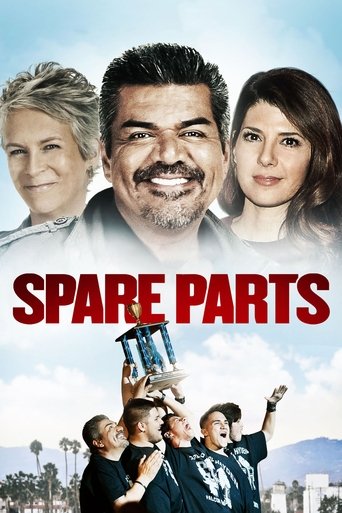
You Again pits two generations of old school rivals against each other at a wedding, and Spare Parts is the true story of four students from a poor Arizona school who entered an underwater robotics contest against famous universities. Freakier Friday, from 2025, is the newest film in her row.
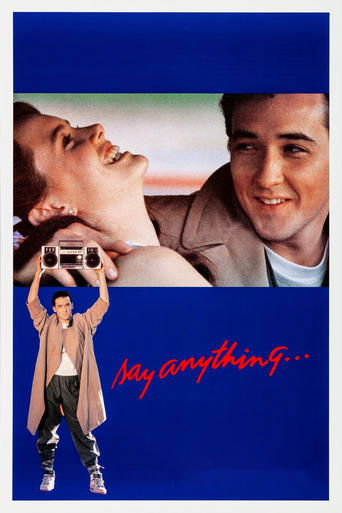
John Cusack's row holds two of the best-loved romances of their decades. Say Anything... is the one with the raised cassette player outside a bedroom window, and Serendipity lets two strangers leave their future to a five-dollar note and a second-hand book. One Crazy Summer is an early comedy, Must Love Dogs a later one, and Cradle Will Rock an ensemble piece about a theatre production of 1937.
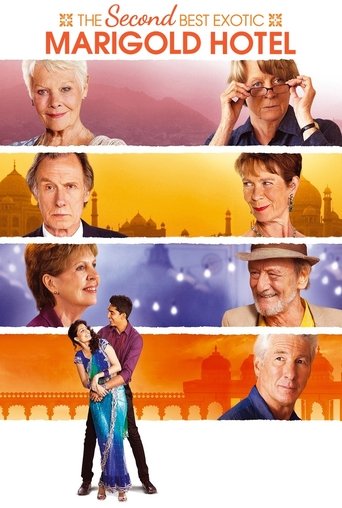
Richard Gere's five include Nights in Rodanthe, a love story at an inn on the Carolina coast with Diane Lane, Amelia, in which he plays the publisher husband of the aviator Amelia Earhart, and The Second Best Exotic Marigold Hotel, which adds him to a company of British retirees in Jaipur. Mr. Jones and Bee Season are dramas.
Amy Adams, Anne Hathaway and Anna Kendrick
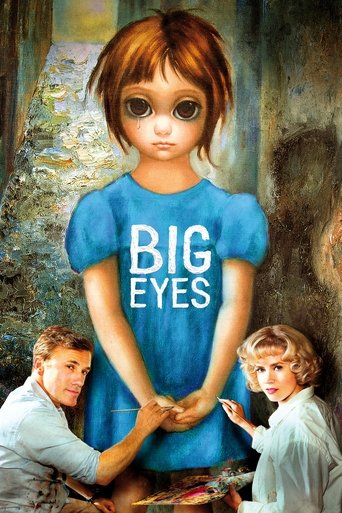
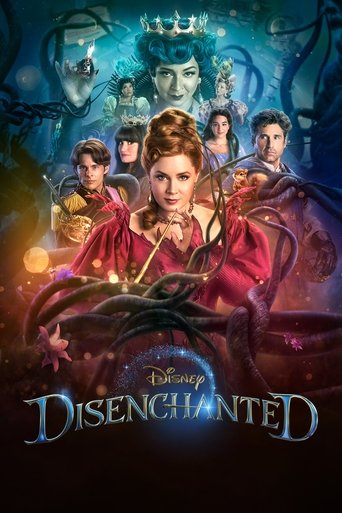
Three rows belong to actresses who came to notice after 2000. Amy Adams's begins with The Wedding Date, in a supporting part, and reaches Big Eyes, Tim Burton's film about the painter Margaret Keane, whose husband took the credit for her work for a decade. She sings and dances with a cast of puppets in The Muppets, plays a baseball scout's daughter in Trouble with the Curve, and returns as a fairy-tale princess in the suburbs in Disenchanted. She also shares Julie & Julia with Meryl Streep, in whose row it stands.
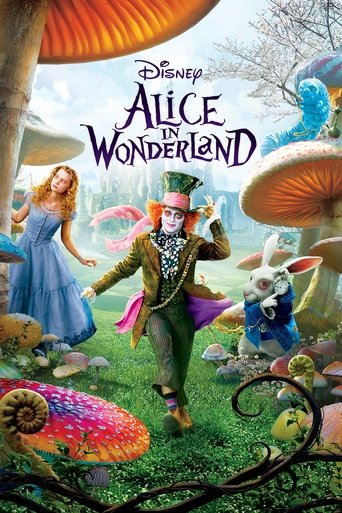
Anne Hathaway's four include The Princess Diaries 2: Royal Engagement, the sequel to the film that made her name, and Bride Wars, in which two best friends book the same hotel for the same day. In Tim Burton's Alice in Wonderland she is the White Queen, and in Armageddon Time the mother of a boy growing up in Queens in 1980.
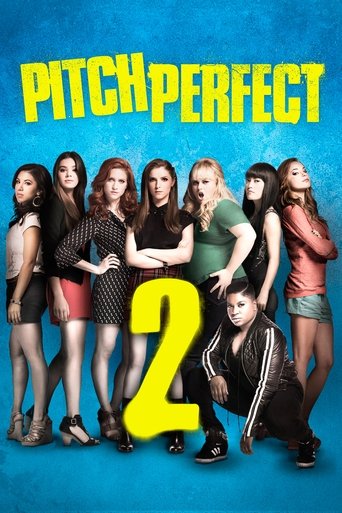
Anna Kendrick was nominated for an Academy Award for Up in the Air, as a young efficiency expert travelling with George Clooney. Pitch Perfect 2 and Pitch Perfect 3 continue the comedies about a university singing group that made her a star. The Last Five Years is a two-person musical told in opposite directions, Table 19 seats her among a wedding's least wanted guests, and in Noelle she is the daughter of Santa Claus. The leading women guide sorts eleven rows, and the youngest rows page covers the newest.
Will Ferrell, Dwayne Johnson and Zac Efron
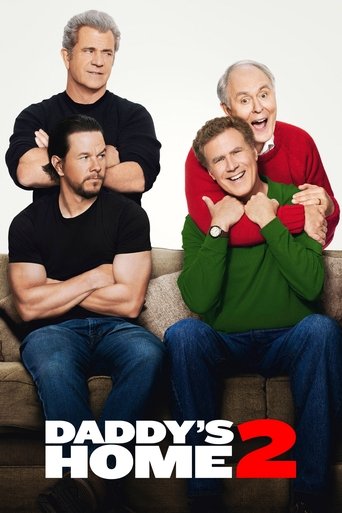
Will Ferrell's row is led by Elf, in which a man raised among Santa's helpers goes to New York to find his father; it has become as fixed a part of December as any film of the last thirty years. Kicking & Screaming makes him the coach of a children's football team with his own father as the rival coach. Daddy's Home and Daddy's Home 2 set a mild stepfather against a glamorous father, and Eurovision Song Contest: The Story of Fire Saga sends an Icelandic duo to the continent's great song competition.
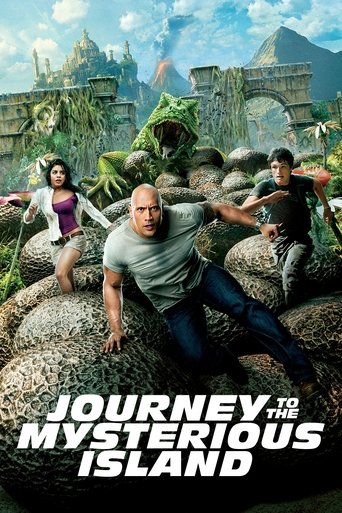
Dwayne Johnson is the most popular star of family adventure working today, and his five show the range of it. The Game Plan has him as a quarterback who discovers a daughter of eight, and Tooth Fairy as an ice hockey player sentenced to wings and a wand. Journey 2: The Mysterious Island is a Jules Verne adventure, Jumanji: The Next Level puts two grandfathers into the bodies of video-game heroes, and Jungle Cruise, with Emily Blunt, is a river adventure in the old style.
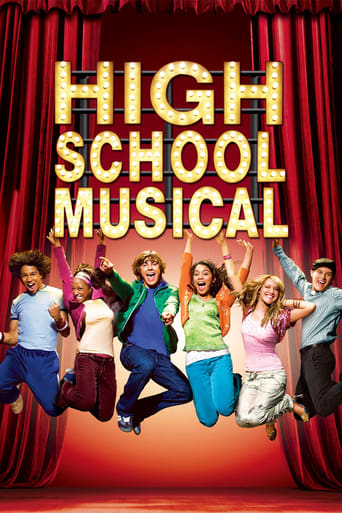
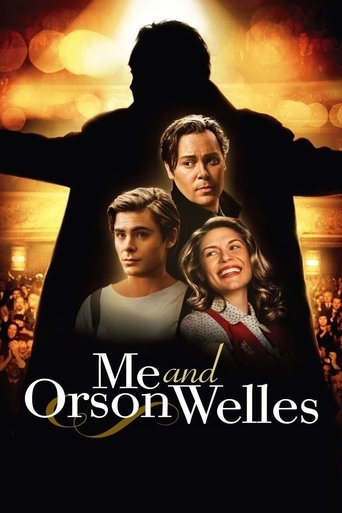
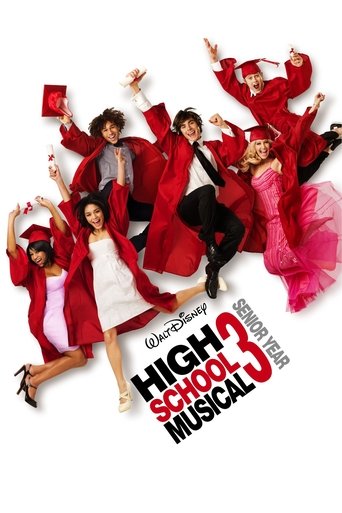
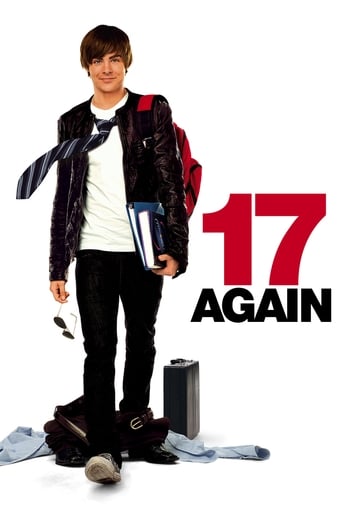
Zac Efron's row is concentrated in six years. Miracle Run, a television film of 2004 about twin brothers with autism, scores 7.6. The three High School Musical films followed, beginning with High School Musical in 2006 and ending with High School Musical 3: Senior Year in cinemas two years later; High School Musical 2 sits between them. 17 Again returns a disappointed man of thirty-seven to his teenage body, and Me and Orson Welles, directed by Richard Linklater, puts a schoolboy into the famous 1937 stage production of Julius Caesar. The singers page gathers the musical films of several rows.
Where the rows cross
Because each film stands in one row, the home page hides how often these thirty-one worked together. The search box brings it back. Typing a name returns every film in the guide with that person in its cast, and for many stars the result is longer than the row.
The golden-age rows are the most tightly woven. Ginger Rogers appears in two of the films in Fred Astaire's row and he in two of hers. James Stewart is the shy professor of Vivacious Lady, in the Rogers row. Katharine Hepburn is Rogers's rival in Stage Door. The studios kept their stars under contract and cast them together as a matter of course, and a viewer who follows any one of these rows will soon know the whole company.
Among the later rows, Steel Magnolias joins Sally Field and Julia Roberts as mother and daughter. Father of the Bride gives Steve Martin Diane Keaton for a wife. Julie & Julia is shared by Meryl Streep and Amy Adams, though their characters live fifty years apart and meet only through a cookery book. Notting Hill and Runaway Bride pair Julia Roberts with Hugh Grant and Richard Gere. Up in the Air is led by George Clooney, whose films fell outside the count for a row, with Anna Kendrick close behind.
Some links run between eras. Kurt Russell plays Elvis Presley, whose own row stands two places above his. Jack Lemmon's The Odd Couple II and Richard Dreyfuss's The Goodbye Girl and Lost in Yonkers were all written by Neil Simon. Audrey Hepburn, who has too few films in the catalogue for a row, is the co-star of both Funny Face and Roman Holiday, and Cary Grant, in the same position, of Monkey Business and Sylvia Scarlett. The stars who share a film page lists the main crossings.
Top rated
The Top rated list gathers the thirty-eight films with an audience score of 7.0 or more. The scores are TMDB averages of ratings by registered viewers, and each film page shows how many ratings stand behind its figure. Fifteen of the thirty-eight were made before 1970, eight between 1970 and 1999 and fifteen since 2000, so the golden age, with little more than a quarter of the films, supplies two fifths of the list.
Four films share first place at 8.1: The Shop Around the Corner, All About Eve, Wonder and The Art of Racing in the Rain. Roman Holiday stands at 7.9, Miracle Run at 7.6, McFarland, USA at 7.5 and Now, Voyager at 7.4. Five share 7.3: Shall We Dance, On Golden Pond, Notting Hill, Blue Miracle and Jungle Cruise.
By star, Bette Davis has the most films on the list, four of her six, followed by Ginger Rogers, Fred Astaire, Sally Field and Dennis Quaid with three each. Nineteen of the thirty-one stars have at least one film at 7.0 or better. The rows that miss the list are mostly those of the broad comedians, whose films are watched by everyone in the house and marked accordingly; a 6.5 for a Jerry Lewis or Steve Martin comedy represents a great deal of laughter. The top rated page explains the rule.
Three periods
The films are also divided by date. The Golden age list holds the forty-seven made before 1970, from Flying Down to Rio in 1933 to Firecreek in 1968. All of them come from the nine stars at the head of the wall. Most were made in black and white, and the colour films among them, Easter Parade, Summertime, Funny Face and Blue Hawaii, use colour with a confidence that still dazzles.
The second list, 1970 to 1999, has forty-two films. These are the years of Norma Rae, The Goodbye Girl, Parenthood, Father of the Bride, Mr. Holland's Opus and Notting Hill, when the star comedy and the star drama were the main business of the studios. The third, from 2000 onwards, has eighty-one films and is the home of the later rows, from Elf and The Family Stone to Wonder and Freakier Friday.
Several rows span two of the lists. Katharine Hepburn's runs from 1935 to 1981 and Jack Lemmon's from 1954 to 1998, while Kurt Russell, Richard Dreyfuss, Michael J. Fox and Dennis Quaid begin in the late 1970s and continue past 2000. The three periods page gives the outline.
What a star was, and is
The nine rows at the head of the wall were made under a system that has gone. A studio of the 1930s signed an actor for seven years, chose the parts, shaped the publicity and lent the actor to rivals when it suited. Bette Davis made her six films here for one studio in twelve years; Fred Astaire and Ginger Rogers made nine pictures together in six. The result was a kind of repertory company on a vast scale, and a star's films from those years have a family likeness that later careers rarely show.
By the time of the middle rows the contracts had ended and stars chose for themselves. Their rows are more varied, and they tell something about each person's judgement. Sally Field moved from a labour drama to a comedy about a soap opera within twelve years. Kurt Russell went from Elvis Presley to Santa Claus. Steve Martin wrote some of his own best parts.
The newest rows reflect another change. A good share of the films of Zac Efron, Anna Kendrick, Kurt Russell and Will Ferrell since 2015 were made for streaming services, which now offer stars the kind of steady work that the studios once did. Noelle, Eurovision Song Contest: The Story of Fire Saga, The Christmas Chronicles, Your Place or Mine and Disenchanted were all first seen at home.
Reading a row from left to right
On the home page every row runs in order of date, oldest first, and that small decision makes each panel a short biography. Jack Lemmon's shows a young comedian of the 1950s on the left and a white-haired one of the 1990s on the right, with thirty years of other work in the gap. Diane Keaton's begins when she was fifty-three and shows how a second career was built on wit and good tailoring.
The year under each poster marks the pace. Jerry Lewis's six films span eight years, Zac Efron's six span six, and Elvis Presley's six span eleven, at a time when he was making three films a year. Katharine Hepburn's four span forty-six years. A reader can see at a glance who burned brightly and who lasted.
The score sits at the right of the same line. Within a row it often rises and falls with the star's fortunes, and the highest figure is usually the film for which the star is best remembered, though a few rows hold a surprise, such as Miracle Run at the head of Zac Efron's or Spare Parts and Blue Miracle near the top of two others.
A week with one star, and a week with seven
A row of six films is almost exactly a week's viewing, and taking one star for a week is the plainest way to use the guide. A week with Bette Davis, in order of date, runs from Jezebel to All About Eve and shows an actress growing from fierce youth to complete command. A week with Steve Martin is six evenings of good company. A week with Fred Astaire sends everyone to bed humming.
The other way is to take a different star each night. One such week: Monday, James Stewart in The Shop Around the Corner; Tuesday, Sally Field in Norma Rae; Wednesday, Richard Dreyfuss in What About Bob?; Thursday, Gregory Peck in Roman Holiday; Friday, Will Ferrell in Elf, whatever the season; Saturday, Kevin Costner in McFarland, USA; and Sunday, Katharine Hepburn in Summertime.
For a household with children, seven rows are especially rich: Kurt Russell, Dwayne Johnson, Zac Efron, Will Ferrell, Steve Martin, Michael J. Fox and Sally Field, whose two Homeward Bound films are among the best animal adventures of their decade.
My Cast
My Cast is the list each visitor keeps. The list button beside Watch now on a film page adds the film, and the amber My Cast button in the header opens the list from any page. The list is stored in the browser on the device in use, so it is ready from the first visit and works free of any sign-up form. The list page can save it as a file, which is the way to move it to another device.
The name invites a small game: cast a list of your own. Six films from six stars who are strangers to one another on screen make a company that is yours alone, and the list page will hold it for as long as it is wanted.
The My Cast page gives the steps.
Where the films play
DiviCast is a guide, and the films themselves are held by the streaming services and digital stores. The Watch now button passes the title and the chosen country to JustWatch, which records each day what every service offers. The fifteen countries in the selector include the United States, the United Kingdom, Canada, Australia, Ireland, New Zealand, India and South Africa.
The films of the later rows are easy to find, since nearly all are in at least one subscription catalogue and available for rental. The golden-age films are spread more thinly: many sit with services that specialise in classics, and a good number are offered free with advertising or by public broadcasters. A star's films seldom sit together on one service, which is one reason a guide by cast is useful. The answer shown is always the one for today.
Comedy, romance, music and family across the rows
Five genre lists cut across the thirty-one rows. Comedy is the largest by far, with 121 of the 170 films, which says something about what makes a lasting star: audiences return most readily to the people who made them laugh. Romance has eighty-one films, drama seventy-six, family thirty-three and music twenty-two.
The romance list is a history of screen courtship in itself. It opens with the dance floors of the 1930s, where a couple fell in love in the course of a single number, and passes through the travel romances of the 1950s, Roman Holiday and Summertime, to the bookshops, weddings and house swaps of the modern rows. A reader can follow one pattern through ninety years: two people who irritate each other at first, a misunderstanding in the middle, and a public declaration at the close. The Shop Around the Corner set it down in 1940, and Notting Hill, Serendipity and Your Place or Mine are all in its debt.
The music list draws on twelve rows. Fred Astaire and Ginger Rogers supply the dance musicals and Elvis Presley the song pictures. Meryl Streep's row and Anna Kendrick's contribute three films each. James Stewart's adds The Glenn Miller Story, with its big-band recordings, Richard Dreyfuss's adds Mr. Holland's Opus, and Zac Efron's a school musical. It is the list to open when the household wants a tune.
The family list is led by the rows of Dwayne Johnson, Kurt Russell, Will Ferrell and Steve Martin, with the animal voices of Sally Field, Julia Roberts and Michael J. Fox. Gregory Peck's The Yearling, from 1946, is its oldest film and one of its best: a boy, a fawn and a hard choice on a Florida farm, in early Technicolor.
Stars who are missing, and why
A visitor will soon think of famous names that are absent from the wall. The reason is always the rule, and a judgement of quality plays little part in it. A row needs four films that passed the family screening, and many great stars made their best-known work in crime films, war films or thrillers, which belong to other guides. Others are present in the catalogue with one or two films and fall short of a row: Audrey Hepburn, Cary Grant, Judy Garland, Emma Thompson and Bill Murray are all in that position.
Their films can still be found. The search box returns them by name, the A-Z index lists every title, and several stand in other stars' rows: Audrey Hepburn beside Astaire and Peck, Cary Grant beside Rogers and Katharine Hepburn, Judy Garland in Easter Parade, Emma Thompson in Impromptu and Bill Murray in What About Bob? and Cradle Will Rock. When the catalogue is rebuilt with more titles, a star who reaches four films gains a row, and the wall grows by a tile.
The order of the wall is by era, and within an era it is loosely by the date of each star's first film in the guide. It is meant to be read like the cast list at the end of a long picture: everyone who earned a place, in order of appearance.
Questions and answers
Questions
What is DiviCast?
DiviCast is a guide to 170 films arranged by leading actor. Thirty-one stars each have a row of four to six films, and every film has a page with its cast, a summary and a Watch now button.
Which stars are included?
Thirty-one, from Fred Astaire, Ginger Rogers, James Stewart, Katharine Hepburn and Bette Davis to Meryl Streep, Julia Roberts, Steve Martin, Dwayne Johnson and Anna Kendrick.
How is a star given a row?
A star needs at least four screened films in which he or she is among the first four names of the cast. The row takes the most widely rated of them, up to six.
Can a film appear in two rows?
Each film stands in one row only. The search box shows every film in the guide with a given name in its cast, across all rows.
Does DiviCast host the films?
DiviCast is a guide only. Watch now opens JustWatch for the country you choose, which lists the subscription, rental, purchase and free services carrying the film.
Is DiviCast connected with the actors?
It is an independent guide. Names are used to describe who appears in each film, as recorded in the cast data on TMDB.
Which films have the highest scores?
Four share 8.1: The Shop Around the Corner, All About Eve, Wonder and The Art of Racing in the Rain. Roman Holiday follows at 7.9.
Which is the oldest film?
Flying Down to Rio, from 1933, the first film in which Fred Astaire and Ginger Rogers danced together.
Is the guide suitable for families?
Yes. Every film was screened by hand, and 33 are marked as family viewing, from Elf and Homeward Bound to The Muppets.
What is My Cast?
My Cast is a personal list kept in the browser. A button on each film page adds or removes the film, and the amber button in the header opens the list.
Is an account needed?
The whole guide is open to every visitor. Search, the star rows and My Cast all work from the first visit.
How do I find a film quickly?
Type part of its name, an actor or a year in the search box, press a star's tile on the home page, or open the A-Z index.
